
What Makes Moringa Oil So Potent?
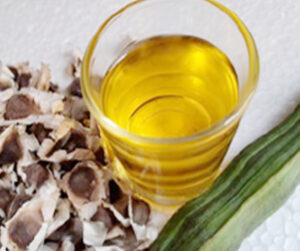
Before we explore the benefits, it is important to understand the biochemical makeup of this remarkable oil. Moringa oil is obtained by cold-pressing the seeds of the tree native to the Himalayan regions of India
. What makes it stand out is its composition:
- Oleic Acid: Comprising over 70% of its fatty acid profile, this is the same healthy fat found in olive oil that makes it deeply moisturizing
Antioxidants: It is packed with powerful compounds like vitamin C, beta-sitosterol, quercetin, and zeatin, which combat oxidative stress
Vitamins: Rich in vitamins A, B, and C, it provides the skin with essential nutrients for regeneration
Top Skin Benefits of Moringa Oil (Backed by Science)
1. Deep Hydration and Skin Barrier Repair
The high concentration of monounsaturated fatty acids in moringa oil closely mimics the human skin’s natural sebum. This allows it to penetrate deeper than many other oils . It acts as a powerful emollient, bolstering the skin’s hydrophobic barrier, which significantly reduces transepidermal water loss (TEWL). This keeps your skin hydrated, plump, and healthy
2. Powerful Anti-Aging Effects
Oxidative stress from environmental insults like UV rays and pollution leads to premature aging, including fine lines and dark spots. Moringa oil acts as a scavenger for these damaging free radicals thanks to its high antioxidant content, including tocopherols (vitamin E) . By neutralizing reactive oxygen species, it helps prevent the breakdown of collagen and keeps wrinkles at bay
3. Acne Treatment and Sebum Regulation
It might seem counterintuitive to put oil on acne-prone skin, but moringa oil is unique. A 2023 study published in the International Journal of Molecular Sciences demonstrated that moringa seed oil exerts anti-inflammatory effects by reducing TNF-α at the level of sebocytes (the cells that produce sebum). This results in decreased sebum production, making it effective for managing oily skin and acne vulgaris . Furthermore, its antibacterial properties help reduce the acne-causing bacteria on the skin
4. Anti-Inflammatory and Soothing Properties
Chronic inflammation is at the root of many skin conditions like eczema and psoriasis. Moringa oil contains bioactive compounds such as isothiocyanates and flavonoids that exhibit significant anti-inflammatory activity . A 2024 comprehensive study in Food Science & Nutrition confirmed the anti-inflammatory potential of moringa seed extracts, which can help soothe irritated skin and reduce redness
Luxurious Hair Benefits
5. Scalp Health and Dandruff Control
A healthy scalp is the foundation of healthy hair. Moringa oil’s antifungal and antibacterial properties help protect the scalp from microbes that can cause dandruff and itching . Massaging warm moringa oil into the scalp helps keep it moisturized and flake-free
6. Strengthens Hair and Adds Shine
The same nutrients that protect your skin also protect your hair. The oil creates a protective barrier around the hair shaft, shielding it from pollutants and free radicals that cause dryness and brittleness . Rich in protein, it helps protect skin cells on the scalp and strengthens the hair follicles, resulting in a stunning sheen and lustrous locks
Internal Health Benefits: More Than Just a Topical Oil
High-quality, food-grade moringa oil isn’t just for external use; it can also be a powerful dietary supplement.
7. Cardiovascular Support
Edible moringa oil contains sterols, which have been shown to help lower LDL (bad) cholesterol . Recent research from 2024 indicates that M. oleifera seed oil can reduce the risk of cardiovascular diseases by reducing malondialdehyde (MDA) formation and modulating cardiac antioxidant activity
8. Antioxidant Boost
When consumed, the flavonoids in moringa seeds help remove mitochondrial reactive oxygen species. This systemic antioxidant effect helps protect your body’s cells, including pancreatic beta cells, which are crucial for managing blood sugar levels
How to Choose and Use High-Quality Moringa Oil
To reap these benefits, the quality of your oil matters. Experts recommend looking for cold-pressed, organic moringa oil. Cold pressing ensures that the delicate nutrients and antioxidants are not destroyed by heat during extraction
- For Skin: You can apply it directly as a moisturizer or mix a few drops with your favorite lotion. Its non-comedogenic nature means it won’t clog pores
For Hair: Use it as a pre-wash treatment. Warm a small amount, massage it into your scalp and through the ends of your hair, leave it on overnight, and wash it out in the morning for deep conditioning
For Diet: If the product is labeled food-grade, you can consume up to a teaspoon daily. It has a slightly nutty taste, making it a great addition to smoothies or salad dressings
Safety and Considerations
According to board-certified dermatologists and toxicological reviews, pure moringa oil is generally safe for all skin types, including acne-prone skin
. However, as with any new product, it is wise to perform a patch test first.
Note for Pregnancy: While moringa oil itself has not been linked to risks, other parts of the moringa tree (like the bark and roots) can cause uterine contractions. If you are pregnant or nursing, consult your doctor before using any new supplements or topical treatments
Conclusion
Moringa oil truly lives up to the “miracle” name of its parent tree. Whether you are looking to combat acne, smooth wrinkles, hydrate dry hair, or support your heart health, this versatile oil offers a natural, scientifically-validated solution.
Ready to transform your routine?
Explore our selection of 100% Pure, Cold-Pressed Organic Moringa Oil today and experience the miracle for yourself.